

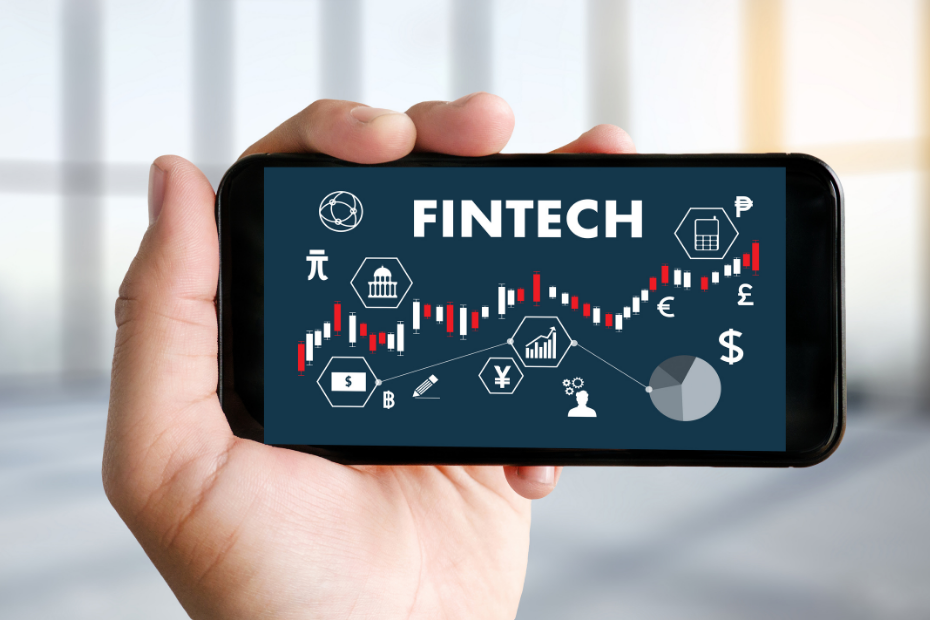
What does the future of Fintech hold? As the world evolves at an unprecedented pace, so too does the way we do financial transactions. The rise of fintech has seen a significant change in how we do our banking, and this trend will continue in the years to come. According to a study by Greenwich Associates, the global fintech market is projected to reach $2.1 trillion by 2025. This growth will be driven by a number of factors, such as increased access to financial services for underserved populations, increased use of mobile devices and apps, and increased regulatory compliance. Fintech is set to revolutionise the way we bank, and there’s no stopping it!
Fintech Users
Fintech users are people who use technology to manage their finances and banking. They include those who use apps, websites, or devices to bank, invest, or spend money. There are a number of different types of fintech users, including those who use fintech for everyday expenses, such as paying bills or buying groceries; those who use it to save money; and those who use it to invest money.
There are a variety of people who use fintech, but in general, they fall into one of the following categories:
– Businesses that need to save on costs and time
– Consumers who want to enjoy new financial services without breaking the bank
– Investors who are looking for opportunities to make money
Benefits of Fintech
In today’s era, fintech is used by businesses of all shapes and sizes to streamline operations, save money, and make banking more accessible. Here are four of the most important benefits of fintech.
Customer Services And Revenue
When it comes to customer service and revenue, nothing beats the power of a well-oiled financial system. A fintech company can provide just that, by automating and streamlining processes that help increase customer satisfaction and drive more revenue. These companies go beyond the traditional banking model, integrating various innovative technologies that make banking more accessible and convenient for consumers. From digital payments to mobile banking, fintech companies are changing the game for the better and are poised to make a major impact in the coming years.
Reduced Cost
One of the major benefits of fintech is that it helps to reduce costs. By automating processes and cutting out the need for human interaction, fintech can help to streamline operations and save on costs associated with traditional banking and financial systems. This can lead to increased efficiency and less paperwork, resulting in lower overall costs for businesses. Additionally, fintech platforms often offer a more user-friendly interface, which can make it easier for businesses to conduct transactions and
manage their finances.
Greater Convenience
There’s no doubt that the world of fintech is evolving at an astounding pace, and it’s providing us with numerous benefits that we could never have imagined. From greater convenience to improved financial security, there are plenty of reasons why we should embrace this new frontier. One of the most important benefits of fintech is its ability to streamline the banking process. By eliminating the need for multiple logins, bank transfers, and other unnecessary steps, fintech is making banking more convenient than ever before.
Robo Advisors
Robo advisors are a form of fintech that helps investors automate their investment portfolio management processes. This saves time and money, as well as helps to minimise the risk of making wrong investment choices. Robo advisors also provide cost-effective and personalised investment advice, making them an ideal choice for those looking for a more hands-off approach to their finances.
Risks of Fintech
With the explosive growth of fintech, it’s no wonder there are a number of risks involved. Here are four of the most common risks associated with fintech.
Operational risk in fintech
Operational risk is a type of risk that can take your business down if not managed effectively. In the case of fintech, this refers to the risks associated with the technology itself, such as cybersecurity breaches and fraud. By understanding these risks and taking steps to minimise them, you can ensure that your business remains resilient in the face of any threats. In addition to operational risk, financial risk is also associated with fintech. This refers to the risks that arise from the financing arrangements that your business enters into, such as credit card companies and crowdfunding platforms. If you are not careful, these types of risks can lead to financial ruin.
Regulatory noncompliance
The rapid growth of this industry has also created new opportunities for regulatory noncompliance. Fintech companies can be caught off guard by new regulations and may not have the same compliance infrastructure in place as traditional financial institutions. This can lead to severe consequences, including financial losses, regulatory fines, and even jail time.
A recent study by the Ponemon Institute has revealed that risks associated with fintech are on the rise. The study, based on a survey of 1,500 business executives, has found that regulatory noncompliance is one of the top risks businesses face today. In fact, 66% of respondents said that they had faced regulatory challenges in the past year due to their use of fintech. This is likely to increase in the near future as regulators grapple with how to regulate this burgeoning industry.
Unforeseen market events
Fintech is a young and rapidly growing industry, and as such, a number of risks come with it. One of the most common risks is unforeseen market events. This refers to the unpredictable nature of the market, which can often lead to huge losses for investors. Additionally, there is a risk of cybercrime, which can disrupt the normal functioning of the fintech sector. As such, it is essential to do your due diligence before investing in any fintech products or services.
Cyber attacks and data breaches
As this sector grows, so does the potential for cyberattacks and data breaches. In fact, according to a study by the Ponemon Institute, a research firm, data breaches cost organisations a whopping $125 billion in 2017. That’s more than the total global spending on health care!
How to mitigate risk?
If you’re new to the world of fintech, you should know a few things to help mitigate the risks associated with it.
Firstly, make sure you fully understand the terms and conditions of any loans or investments you’re considering.
Secondly, always be prudent when spending your money – never put all your eggs in one basket, and be particularly wary of unsolicited investments.
And finally, always exercise caution when sharing personal information – even if the person you’re dealing with seems trustworthy. By following these tips, you can stay safe and secure while exploring the world of fintech!
Future of Fintech
So, what’s next for fintech? The industry is still evolving, and many potential innovations are waiting to be discovered. Whether it’s in the form of new financial products or services or even new ways to bring these products and services to the masses, we can only wait and see what the future holds! In the meantime, stay tuned for more insights on the latest developments in this ever-growing industry!
